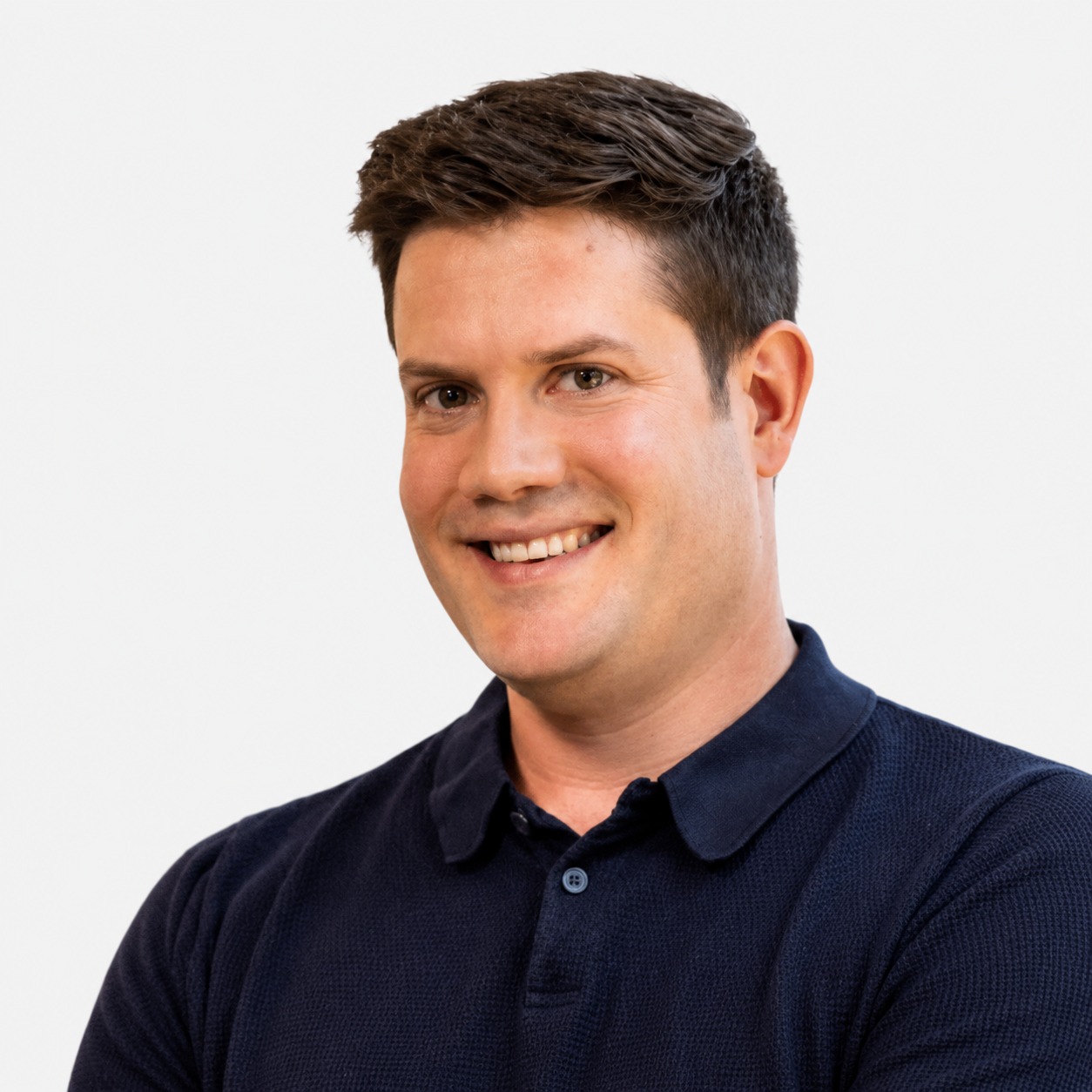
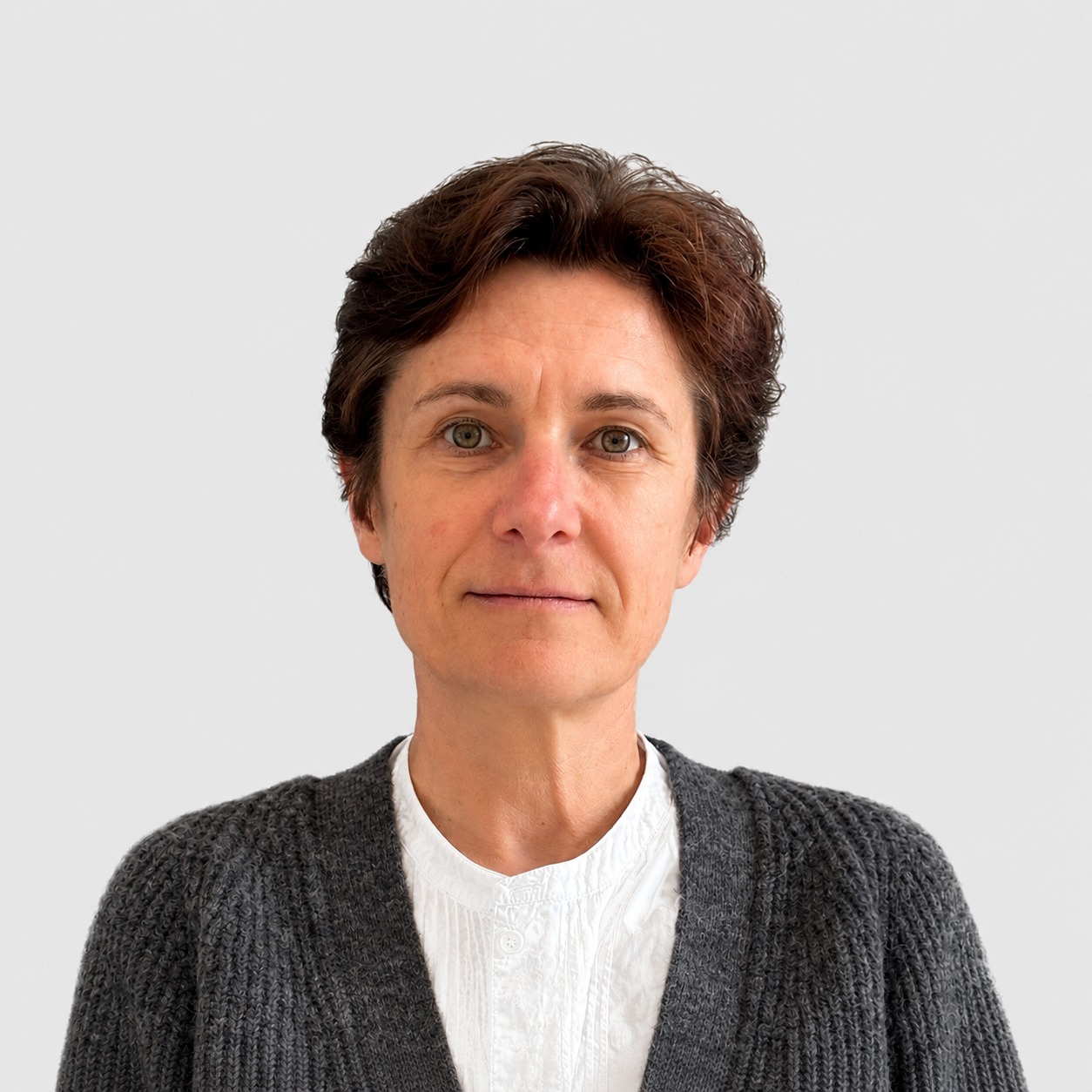
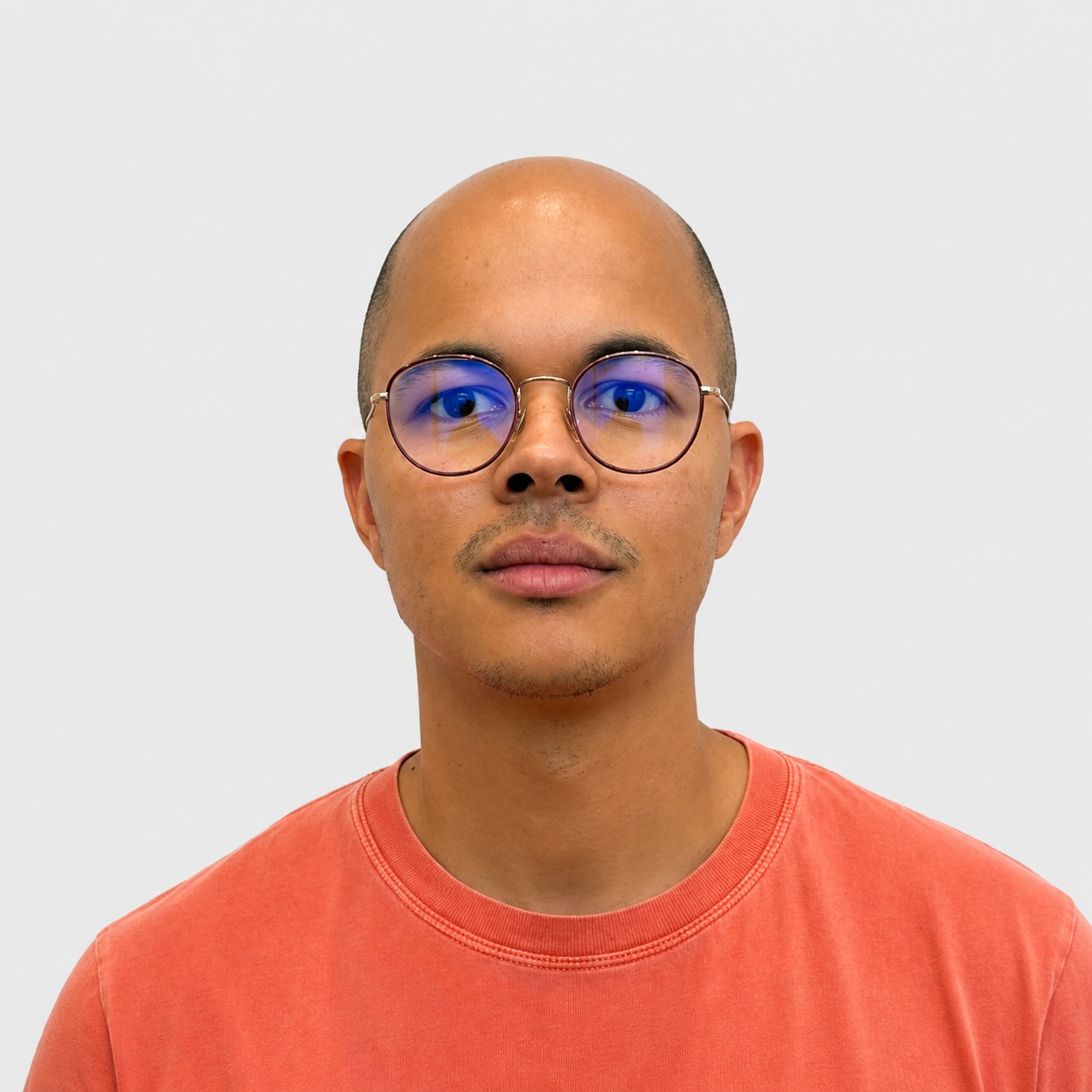
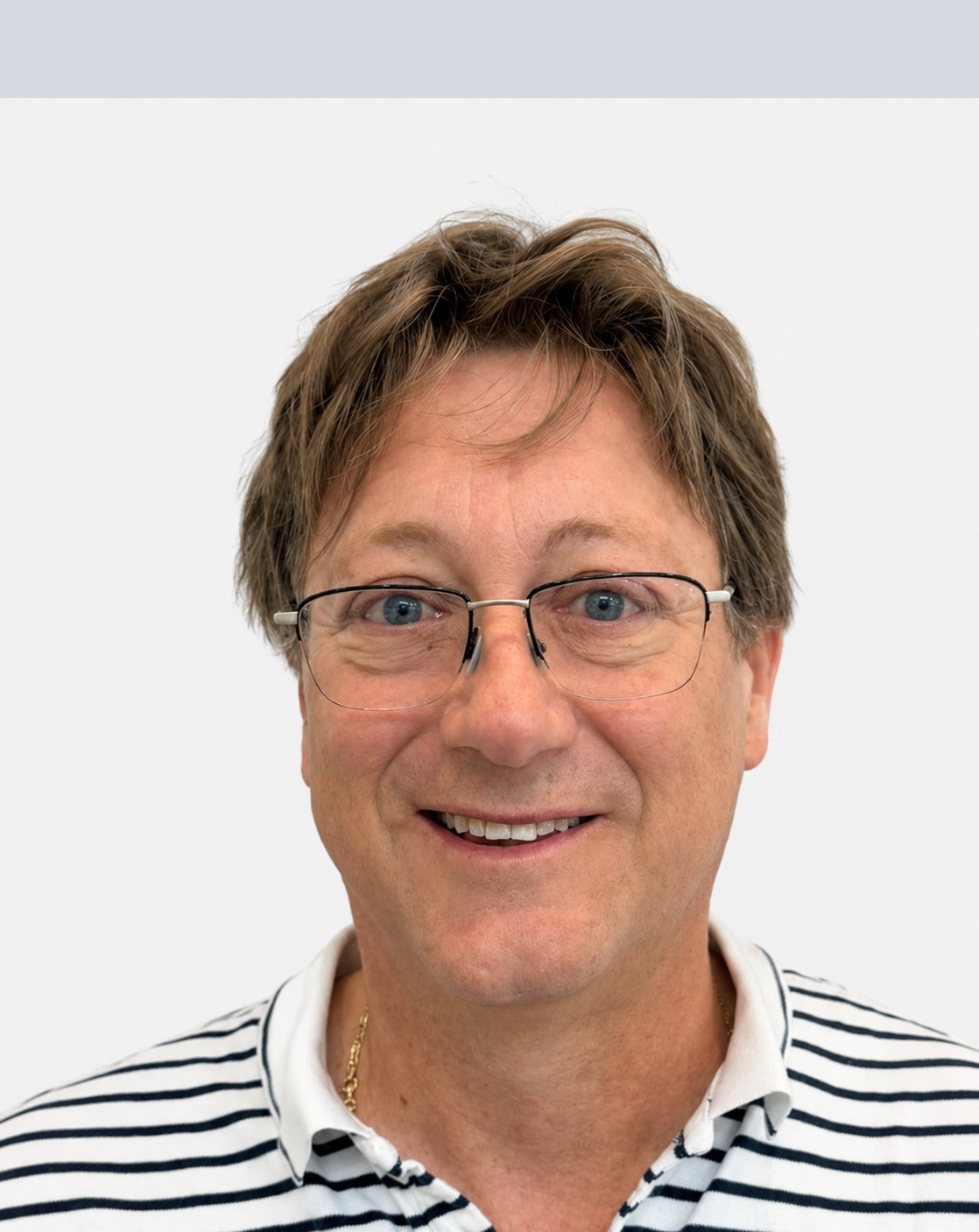
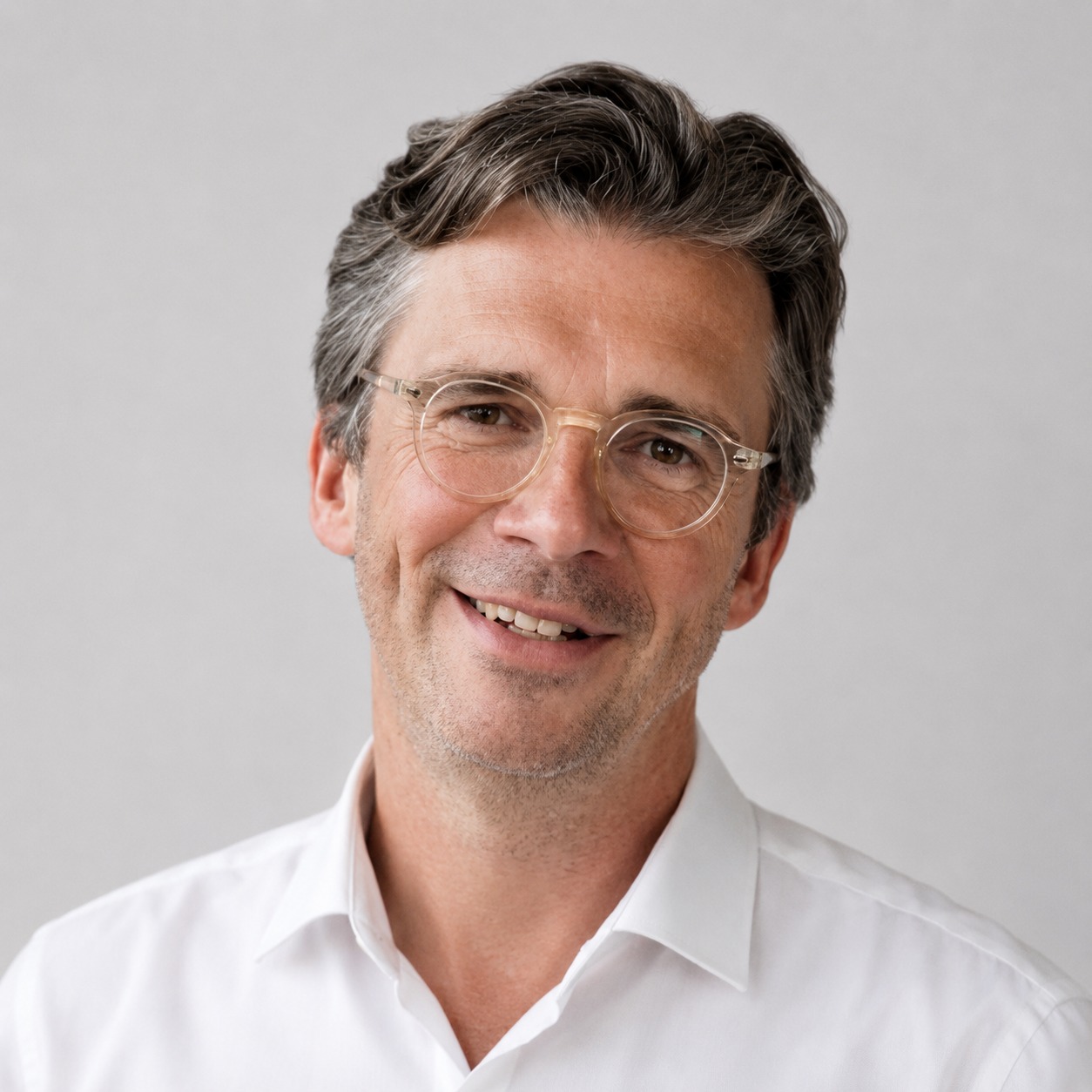
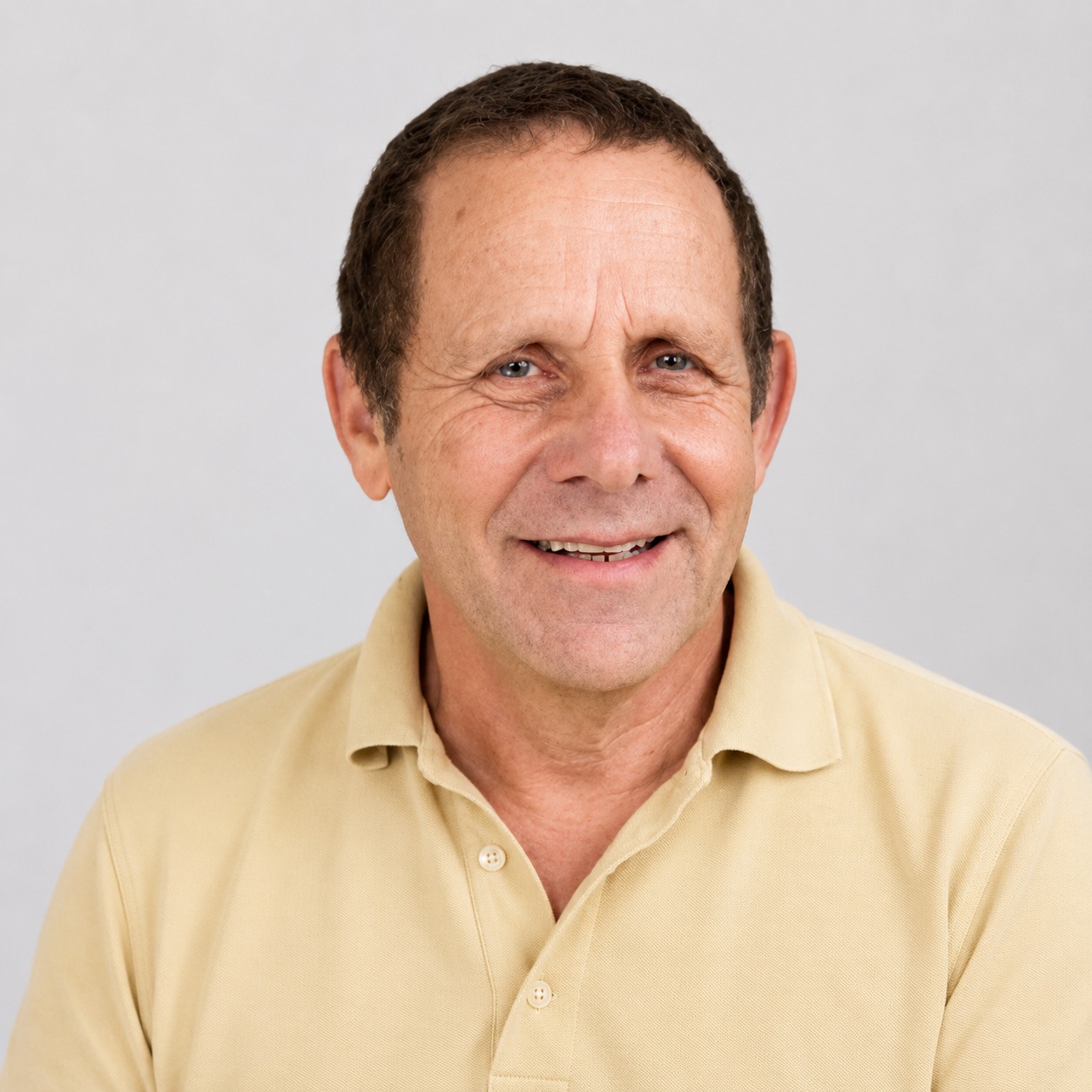
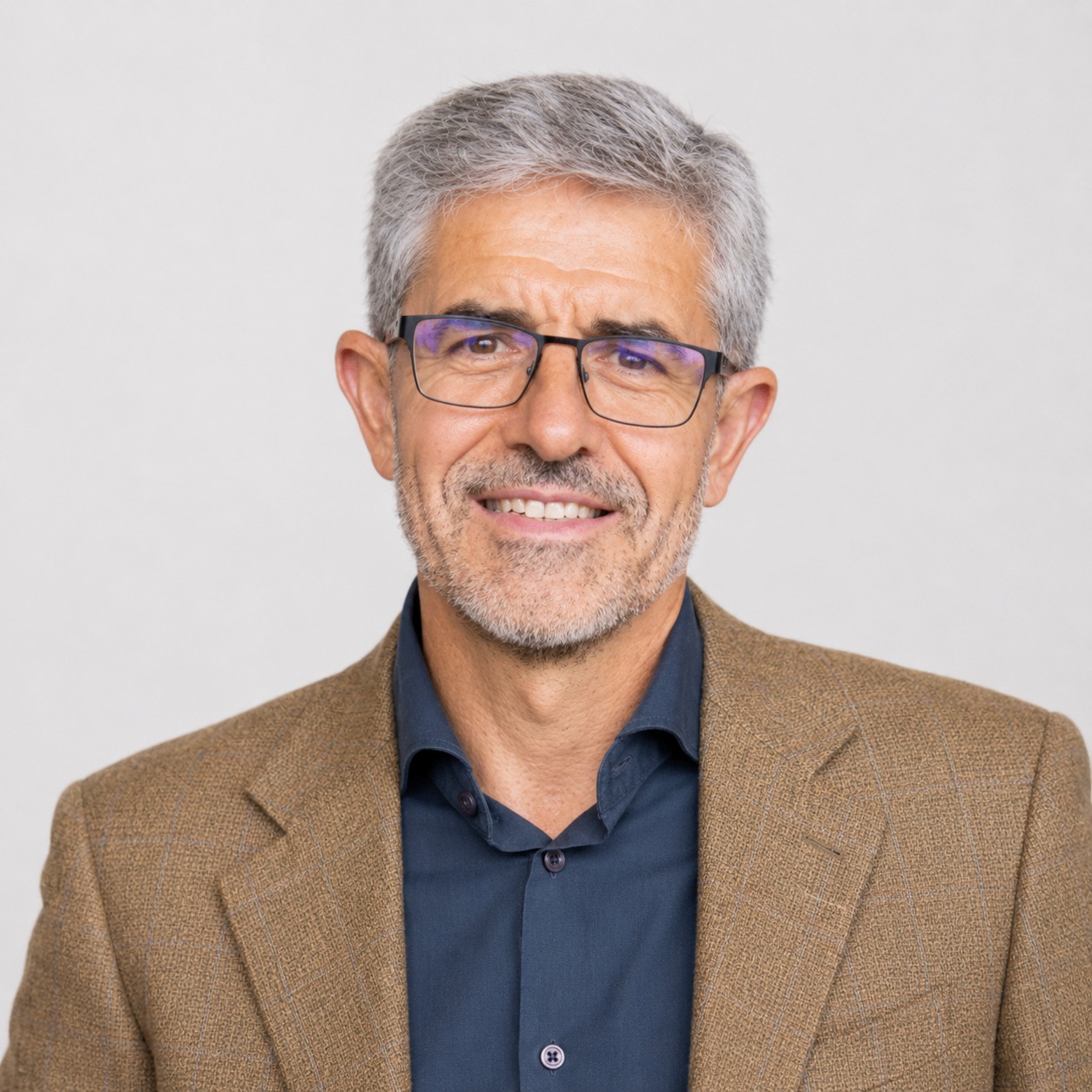
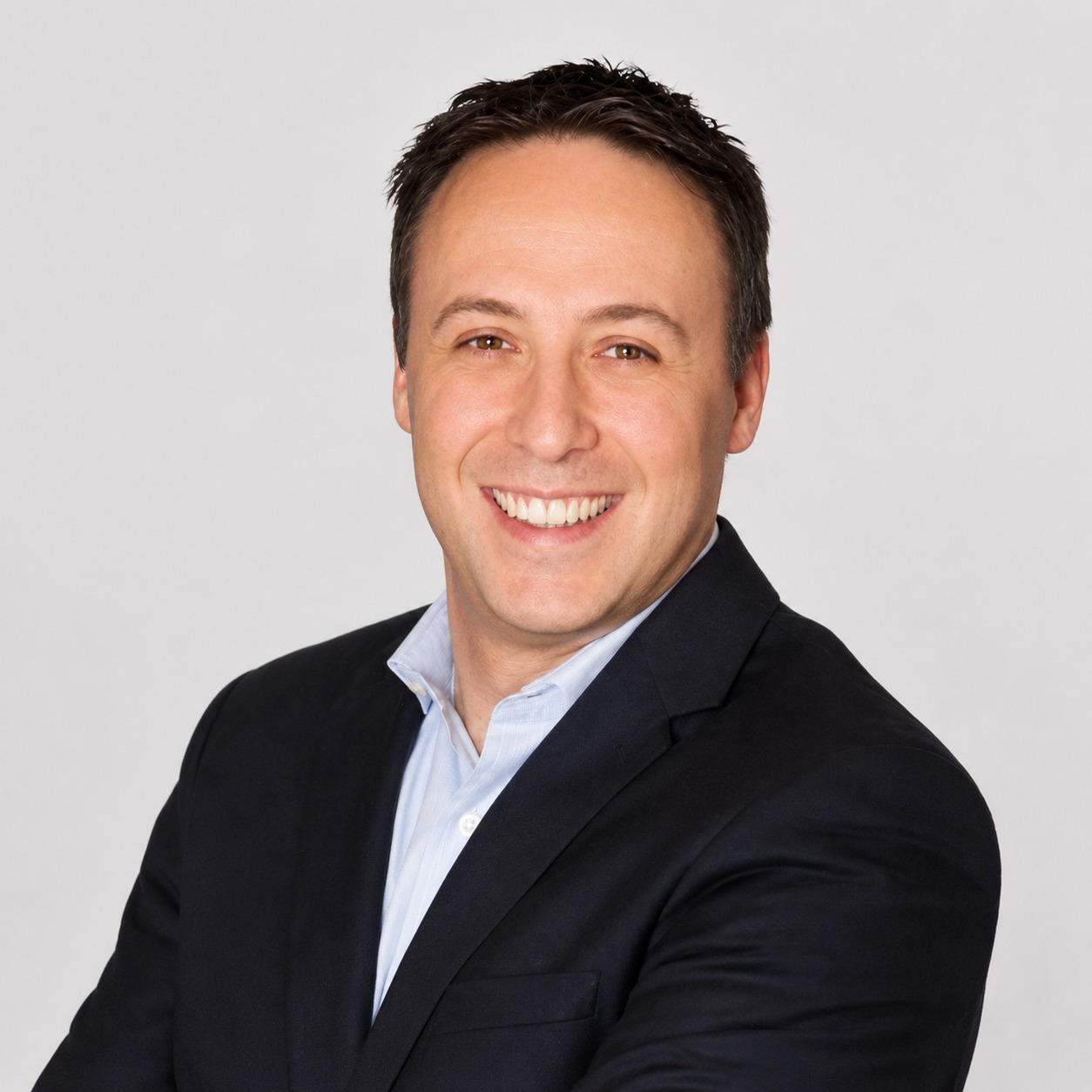
We are a team of passionate neuroscientists, engineers, and medical innovators working together to transform lives through brain-computer interface technology. Our journey began at Switzerland's Wyss Center, where groundbreaking research meets real-world impact. Today, we are dedicated to developing BCI solutions that help patients regain independence and reconnect with their world.
Rotem Kopel leads ABILITY Neurotech as Co-Founder and CEO, guiding the company’s mission to restore autonomy and communication through patient-first design and engineering precision. A neuroengineer by training, Rotem previously led the development of neurotech medical devices and invested in many deep-tech life sciences ventures.
Her leadership blends technical expertise with a commitment to ethical innovation, ensuring the company advances groundbreaking neurotechnology with transparency and trust at its core.
Craig Cook is a venture builder and strategist with deep experience translating early-stage scientific breakthroughs into sustainable companies. As CBO and Co-Founder, he oversees strategy, partnerships and fundraising. Before joining ABILITY, Craig founded and co-founded several life sciences start-ups and architected multiple spinouts from the Wyss Center ecosystem.
His focus on clarity of purpose and organizational strength underpins ABILITY’s transition from research project to industry leader.
Alain Jordan serves as Chief Technology Officer, overseeing the technical roadmap and long-term product architecture. A seasoned engineer and innovator, Alain brings extensive experience in implantable systems, medical device design and optical communication technologies. He ensures ABILITY’s technology evolves with the same rigor and purpose that defined its origins at the Wyss Center, combining scientific excellence with real-world usability and patient safety.
David Ibañez Soria leads ABILITY’s neural decoding efforts, shaping how the company’s high-fidelity data is transformed into meaningful actions and communication. With a background in biomedical engineering and machine learning, David has spent over a decade developing algorithms that bridge neuroscience and AI. His work ensures ABILITY’s platform not only captures the brain’s most detailed signals but also interprets them with unprecedented accuracy and clinical relevance.
Arnau Espinosa directs systems engineering at ABILITY, integrating the company’s implant, optical link and wearable components into a cohesive, patient-ready platform. With expertise spanning neuroengineering, signal processing and hardware design, Arnau played a central role in translating ABILITY’s research foundations into a clinical-grade system. His approach emphasizes precision and reliability - hallmarks of ABILITY’s Swiss-engineered design philosophy.
Professor Hagai Bergman is one of the founding fathers of Deep Brain Stimulation (DBS), world-renowned neurosurgeon and neuroscientist with unparalleled expertise in electrophysiology recordings and therapeutics.
He is a leading authority on the computational physiology of the basal ganglia, their disorders, and therapeutic interventions.
A pioneer in BCIs and stroke rehabilitation, Professor José Millán has contributed several seminal advancements in brain-machine interfaces and brain-controlled robotics.
He is a highly decorated researcher, recognized with prestigious honors such as the IEEE-SMC Norbert Wiener Award (2011), elevation to IEEE Fellow (2017), and election as a Fellow of the International Academy of Medical and Biological Engineering (2020).
A big data and bioinformatics visionary, Gabriel Eichler is known for his groundbreaking work in real-world data analytics.
As the former Vice President and Worldwide Head of Data for Novartis R&D, he spearheaded the revolutionary Data42 project. Eichler also leads data and analytics efforts at the Harvard Business School’s Kraft Precision Medicine Accelerator and brings strategic insights from his experience at McKinsey & Company.
Professor Erwin Böttinger is a neurotechnology impact visionary and the Director of the Wyss Center for Bio- and Neuroengineering in Geneva, Switzerland.
With dual professorships in Medicine and Artificial Intelligence at the Icahn School of Medicine at Mount Sinai, Professor Böttinger has spearheaded numerous initiatives in personalized medicine, digital health, and neurotechnology.
His leadership roles include founding the Digital Health Center at the Hasso Plattner Institute and serving as CEO of the Berlin Institute of Health. He is renowned for establishing the Mount Sinai BioMe™ Biobank and pioneering contributions to clinical innovation in neurological and mental health disorders.
Tracy Laabs is a visionary leader in neurotechnology, with deep expertise in BCIs and translational neuroscience.
As the founding Deputy Director of the Wyss Center, she has been instrumental in transforming it into an internationally renowned hub for neurotechnology innovation.
Her work focuses on accelerating the translation of groundbreaking science from the lab to clinical applications, driving global impact.