The next generation Brain-Computer Interface
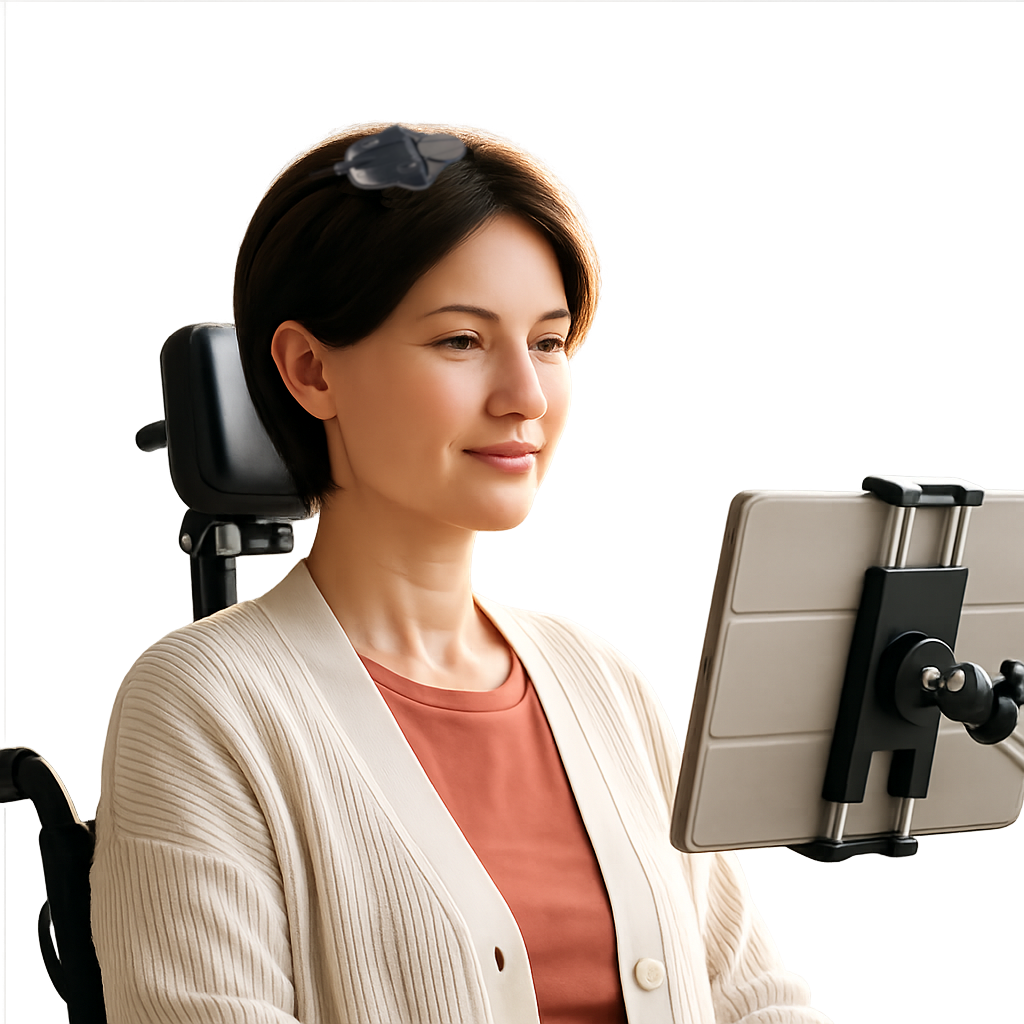
ABILITY is building the world's first fully implantable, battery-free BCI that streams complete raw neural data wirelessly through the skin. Our platform decodes brain signals into speech and movement in real time, powered by adaptive AI that improves with every patient. From the implant to the algorithm to the app, we own the entire stack — purpose-built to restore communication, independence, and connection.
Why ABILITY
End-to-End Solution
From implantable sensing electronics integration to neural data decoding, we own the entire platform — enabling tight optimisation across hardware, firmware, and AI for speech, movement, and future clinical applications.
Complete Neural Datasets
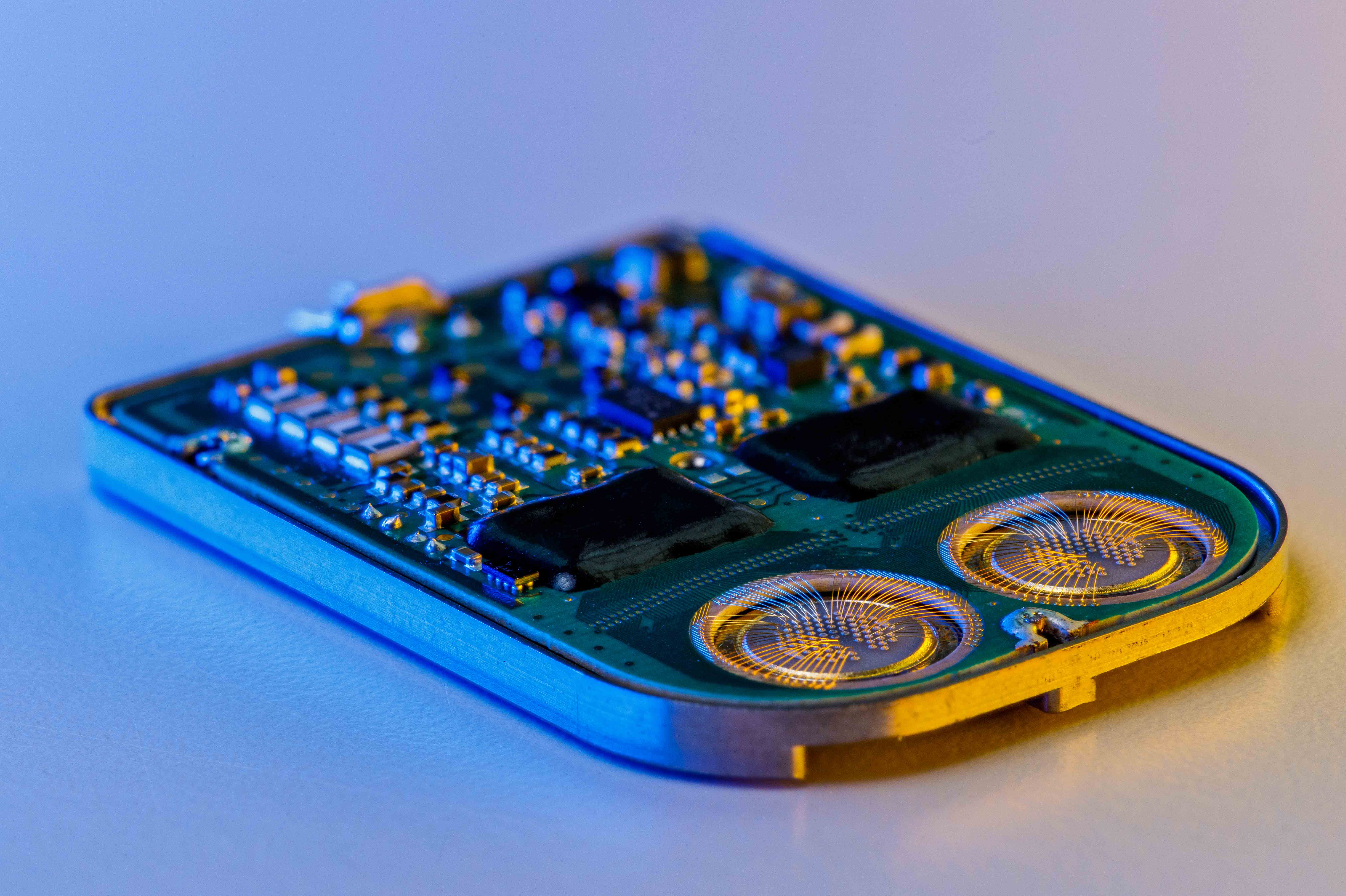
At its core, the ABILITY platform captures and transmits lossless high fidelity brain signals, using a proprietary laser-based optical data link that enables real-time neural data transmission through intact skin.
Designed with the patient at the center
The device is entirely implanted under the scalp — reducing infection risk and enabling seamless daily life.
Electrode Agnostic
Our platform is electrode-agnostic by design, matching the optimal neural interface to each clinical application. For speech, we have chosen high-density ECoG: high-resolution neural recordings with proven long-term stability, offering the best balance between signal quality and safety.
Real-time Output
Our goal is real-time, natural output — starting with fluent speech as our first clinical application, and extending to movement and beyond. Conversation and action at the speed of thought.
Our Journey
Foundations laid
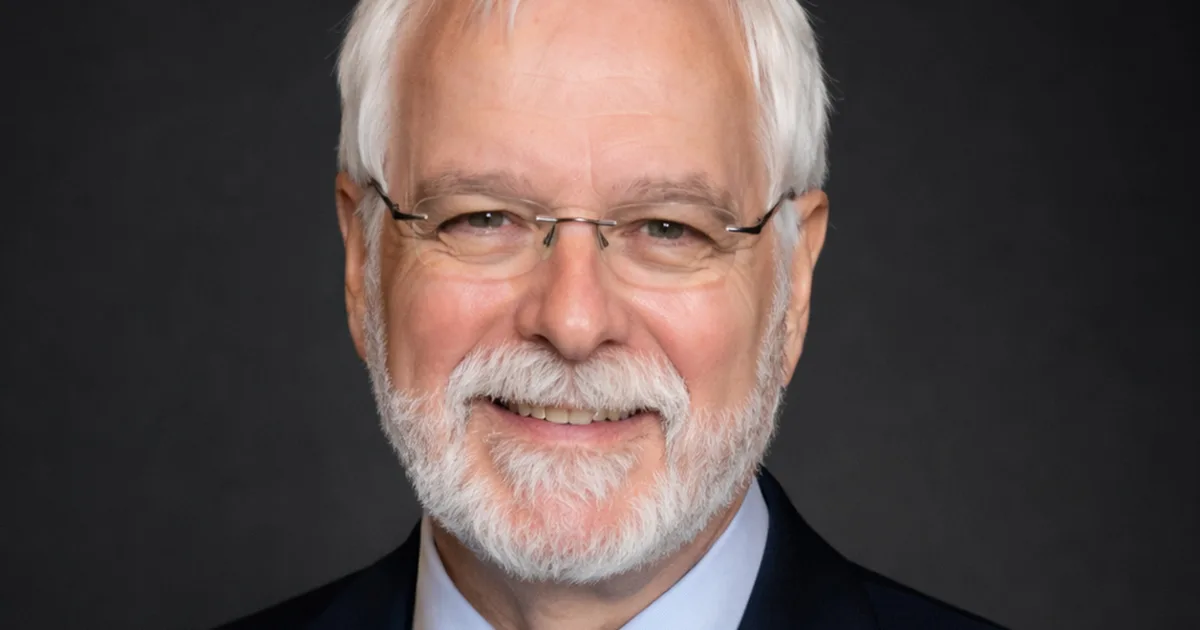
Professor John Donoghue, widely regarded as the father of brain-computer interfaces, joins the Wyss Center for Bio and Neuroengineering in Geneva as founding director and designs the 'perfect' fully implantable, high-fidelity BCI — the system that would become ABILITY.
Proving the impossible
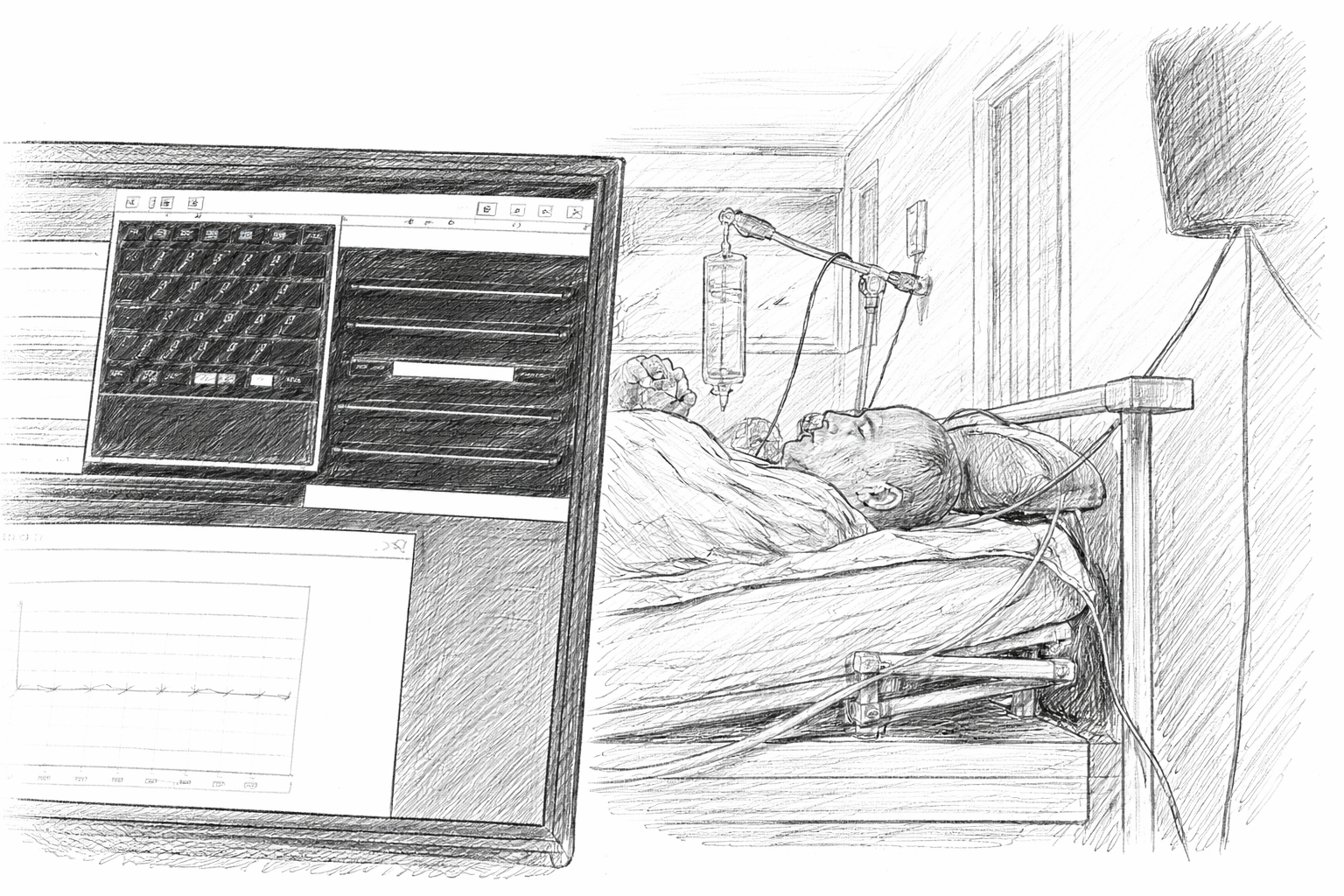
In a landmark clinical study, Wyss Center scientists and engineers (now ABILITY) enabled a fully paralysed person living with amyotrophic lateral sclerosis (ALS) to communicate using implanted electrodes, modulating neural activity to produce yes/no responses for more than two years in a home setting.
This study demonstrated that BCI can restore function in complete locked-in state, and directly informed the design of the ABILITY platform. Published in Nature Communications.
Pioneering research at the Wyss Center
Under the umbrella of the Wyss Center, the project grows into a world-class research programme. A skilled team develops the core technology — from implantable electronics and optical data links to advanced neural decoding algorithms.
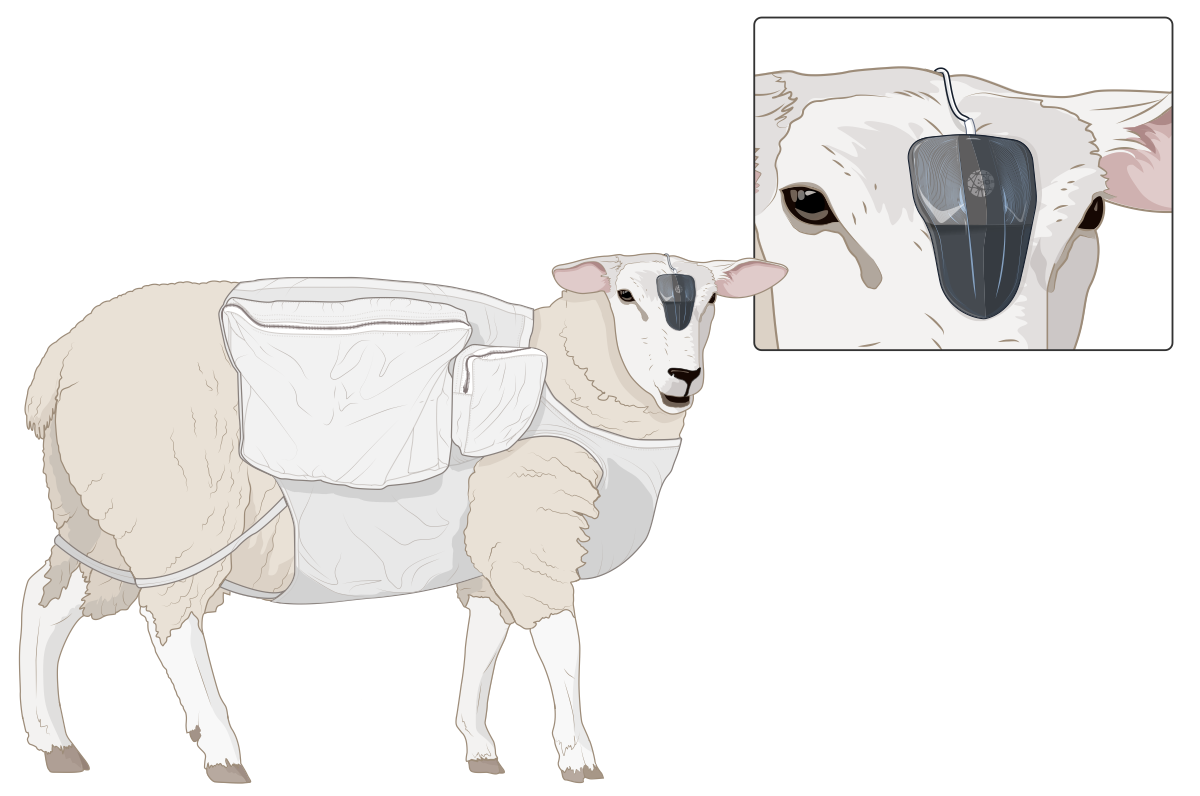
The programme achieves major milestones, including several pre-clinical trials in sheep and monkey models that validate the safety and performance of the device.
ABILITY Neurotech is born
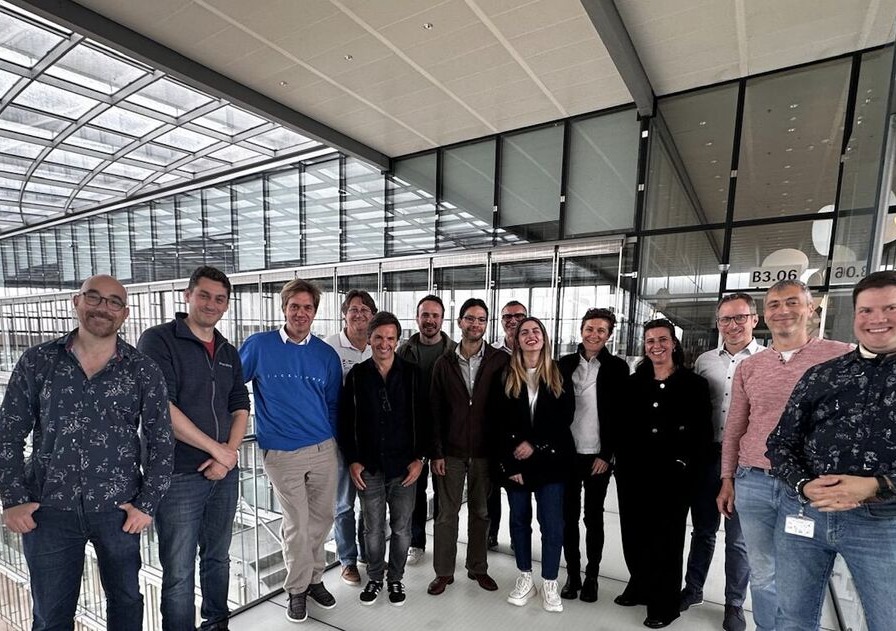
The ABILITY BCI project spins out from the Wyss Center as ABILITY Neurotech — an independent company with a clear mission: to bring a fully implantable brain-computer interface to market that restores communication and movement for patients.
Based at Campus Biotech in Geneva, the skilled founding team brings together deep expertise in neuroscience, medical device engineering, machine learning, quality, and regulatory affairs.
IMDD Approval for chronic implantation
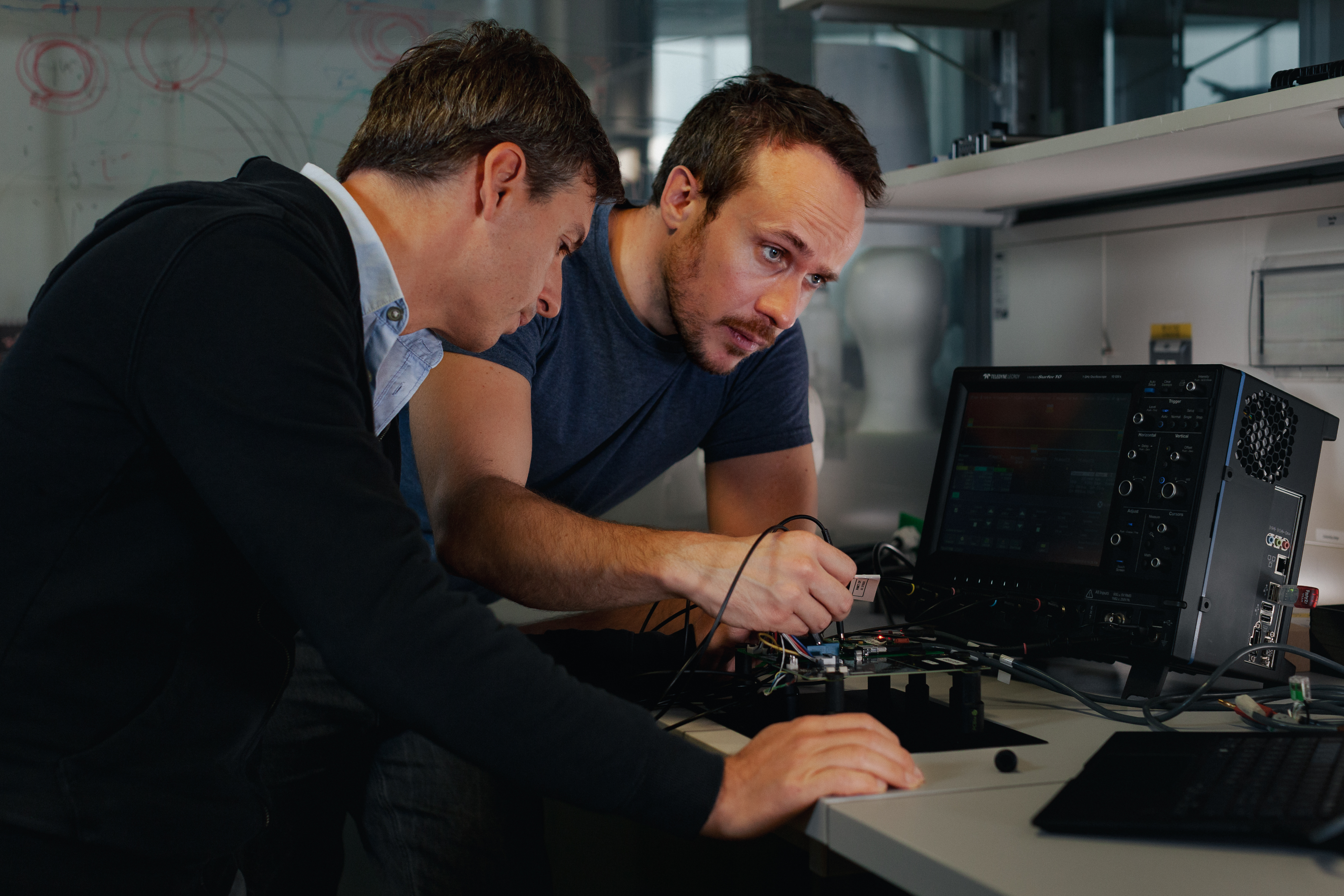
ABILITY receives Investigational Medical Device Dossier (IMDD) approval from the Medical Research Ethics Committee NedMec in the Netherlands to launch its first chronic implantation study of a fully implantable wireless optical-link ECoG BCI in ALS patients.
The study will take place at UMC Utrecht under the INTRECOM consortium, evaluating the BCI's performance as a home-use system for restoring communication and speech.
First-in-Human
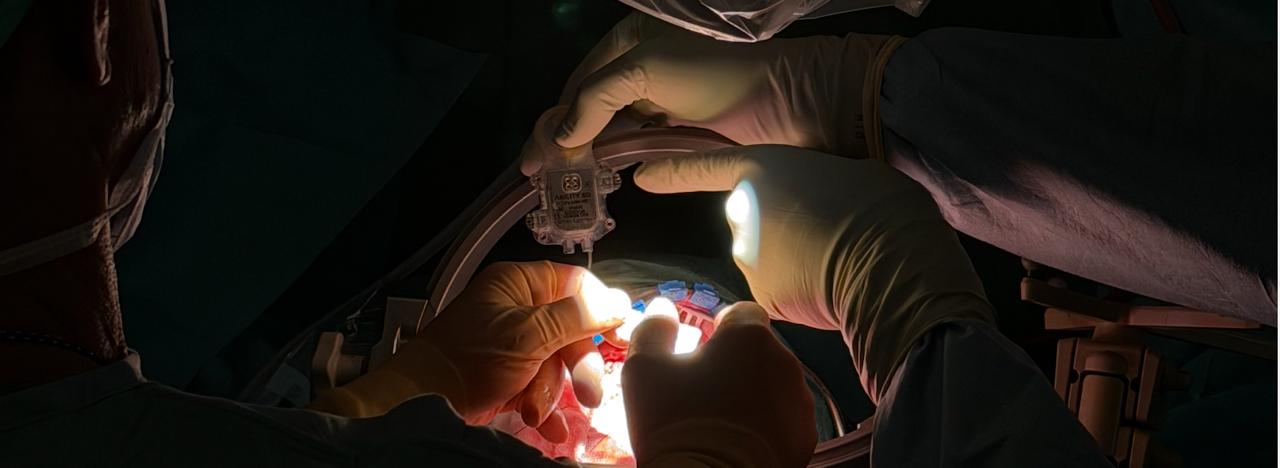
ABILITY announces its first-in-human procedure at TUM University Hospital Rechts der Isar in Munich — the first real-world validation of ABILITY's neural signal acquisition in a live surgical setting.
In parallel, chronic First-in-Human implantation is planned for Q4 2026 in collaboration with TU Graz (Austria) and UMC Utrecht (Netherlands).
How the ABILITY platform works
From implantation to signal acquisition to data transmission across the scalp — see the full journey of a neural signal through the ABILITY platform.